

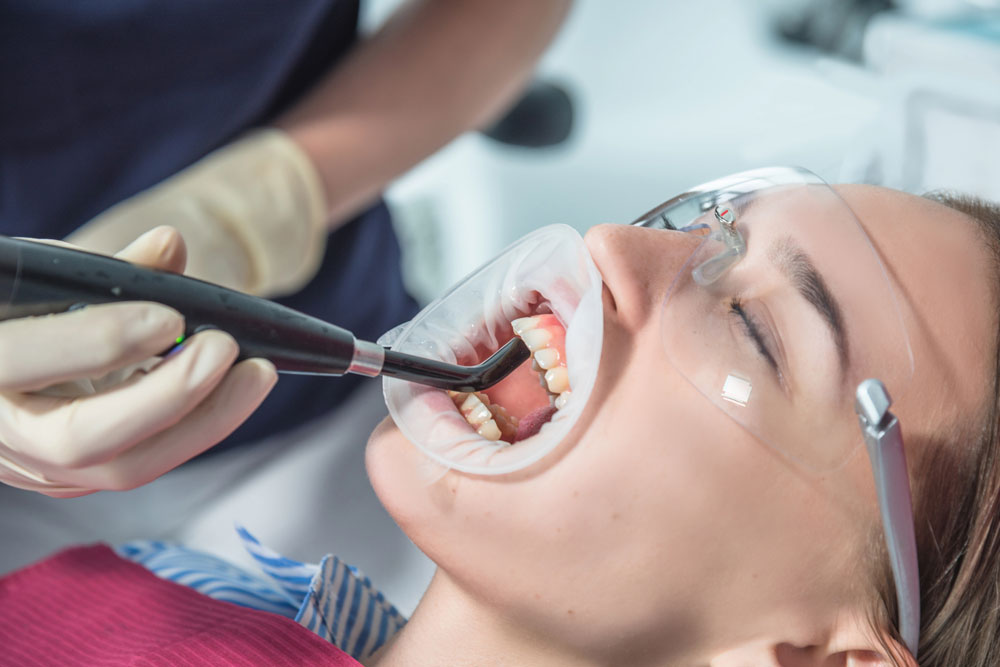
Gum health is a cornerstone of overall oral well-being, and sometimes routine dental care isn’t enough to keep it in top shape. If you’ve wondered what periodontics procedures are and when they might be needed, this guide will help you understand the treatments your dentist may recommend to protect your gums and teeth.
Periodontal procedures are designed not only to treat existing issues but also to prevent future complications. By understanding these treatments, you and your family can make informed decisions about your oral health.
Scaling and Root Planing
Scaling and root planing is a deep cleaning that removes plaque and tartar beneath the gumline. The process smooths tooth roots so gum tissue can heal and reattach properly. Dentists often recommend this treatment for early or moderate gum disease. It reduces inflammation, decreases bleeding, and protects supporting bone structures.
Many patients begin their periodontal care with this essential step toward improved gum health. A local anesthetic may be used to maintain comfort during the procedure. Treatment may be completed over multiple visits, depending on the severity of the buildup.
Follow-up evaluations track healing progress and determine if additional therapy is necessary. Consistent home care after treatment supports long-lasting periodontal stability.
Gum Grafting
Receding gums can expose tooth roots, leading to sensitivity, decay, and aesthetic concerns. Gum grafting involves taking tissue from another area of the mouth or using donor tissue to cover exposed roots.
This procedure not only improves the appearance of your smile but also strengthens gum tissue and provides better protection against future gum recession. It is often recommended for patients who are preparing for dental implants or have advanced gum loss.
Dental Implants
Missing teeth can affect chewing, speech, and the alignment of surrounding teeth. Dental implants replace the roots of missing teeth with durable, natural-looking prosthetics.
Periodontists play a crucial role in the implant process by evaluating bone health, preparing the gums, placing the implant, and monitoring recovery. Dental implants can last a lifetime with proper care and help maintain the structure and function of your mouth.
Laser Gum Treatment
Laser-assisted treatment addresses infected gum tissue with precision technology. Diseased areas are removed while surrounding healthy tissue remains intact. Patients often experience reduced swelling and faster healing.
This method appeals to individuals seeking a less invasive approach. Recovery time is typically shorter than with traditional surgical techniques.
Periodontal Pocket Reduction
Gum disease can cause pockets to form between teeth and gum tissue. These spaces collect bacteria and accelerate tissue damage. Periodontal pocket reduction decreases pocket depth and removes harmful buildup. The gums can then reattach more securely to tooth surfaces. This treatment limits disease progression and supports long-term stability.
Pinhole Surgical Technique
The Pinhole Surgical Technique corrects gum recession through a small entry point. Special instruments gently reposition existing gum tissue over exposed roots. The approach minimizes discomfort and reduces recovery time. Several teeth can be treated during one visit. Patients often appreciate the cosmetic improvement and conservative nature of this method.
Tissue and Bone Reconstruction
Advanced gum disease or trauma can damage soft gum tissue and underlying bone. Reconstructive procedures, such as soft tissue grafting or guided tissue regeneration, restore these structures to improve stability and aesthetics.
These treatments make sure that teeth remain securely supported and enhance the overall appearance of your smile. Reconstruction is particularly important for patients receiving dental implants or who have experienced bone loss, so your mouth can function and look its best.
Crown Lengthening
Crown lengthening removes excess gum tissue to expose more tooth surface. Dentists recommend this procedure before certain restorative treatments. It can also refine the appearance of a smile with excessive gum display. Adjusting the gum line improves access for restorations and supports healthier tooth structure. The result enhances both function and aesthetics.
In some cases, a small amount of supporting bone is reshaped to create proper space for long-term restoration success. Healing typically occurs within a few weeks, and patients receive detailed aftercare instructions to support comfort and stable results.
Perioscopy
Perioscopy uses a small camera to examine periodontal pockets internally. Enhanced visualization helps dentists locate hidden tartar deposits. Targeted cleaning reduces trauma to the surrounding tissue. Patients often report quicker recovery following this technique. Improved accuracy contributes to better overall treatment outcomes.
The magnified view allows precise removal of buildup in areas that traditional instruments may not fully reach. This technology supports thorough debridement while preserving healthy gum attachment and minimizing unnecessary disruption to surrounding structures.
Periodontal Maintenance
After initial treatments like deep cleanings or surgery, regular periodontal maintenance is essential. These cleanings go beyond routine checkups, focusing on areas prone to disease and preventing recurrence.
Maintenance visits help your gums stay healthy, reduce the need for more invasive procedures, and preserve a strong, functional smile. Ongoing care allows your dentist to monitor changes and address any concerns early, keeping your oral health in top condition.
Why Periodontic Care Matters
Periodontal procedures protect your teeth, gums, and overall health. Gum disease has been linked to heart conditions, diabetes, and other systemic issues. Addressing periodontal problems early prevents tooth loss, reduces discomfort, and maintains a healthy, confident smile.
At our practice, every procedure is tailored to meet your individual needs. By combining advanced techniques, minimally invasive treatments, and ongoing maintenance, we ensure your care is both effective and comfortable.
When to See a Periodontist
You should consider seeing a periodontist if you notice bleeding gums, persistent bad breath, gum recession, loose teeth, or other signs of gum disease. Your general dentist may also refer you if specialized care is needed. Early intervention helps prevent disease progression and avoids more complex treatments in the future. Periodontic care guarantees you and your family can enjoy healthy gums and a smile you’re proud of.
Understanding periodontics procedures helps you recognize the value of specialized care for your gums and supporting structures. From deep cleanings to advanced techniques like dental implants and the Pinhole Surgical Technique, periodontal care is essential for long-term oral health.
If you or your family are experiencing gum issues or want to maintain healthy gums, schedule a consultation with us today. Our team provides gentle, personalized periodontal care to keep your smile strong, functional, and beautiful for years to come.