

If you are comparing dental bonding vs. veneer treatments, you are likely looking for ways to improve your smile. Both options address chipped, stained, uneven, or slightly misaligned teeth. The ideal choice depends on your cosmetic goals, budget, and expectations for longevity.
Understanding dental bonding vs. veneer differences helps you make a confident and informed decision. Clear guidance makes cosmetic dentistry feel simple rather than confusing. Our team explains each option thoroughly, so you feel comfortable with every step of care.
What Is Dental Bonding?
Dental bonding is a cosmetic procedure that uses a tooth-colored composite resin to repair or reshape a tooth. The material is carefully applied, sculpted, and hardened with a special curing light. Once polished, it blends naturally with your surrounding teeth.
Bonding is often recommended for small chips, minor gaps, uneven edges, and mild discoloration. It can typically be completed in a single visit, making it a convenient option for busy families. In many cases, little to no enamel removal is required.
This conservative approach preserves much of your natural tooth structure. Patients who want subtle improvements without permanent alteration often prefer bonding. Younger patients may also benefit because future cosmetic options remain open. With good oral hygiene and periodic maintenance, bonding can maintain an attractive and natural appearance for years.
What Are Dental Veneers?
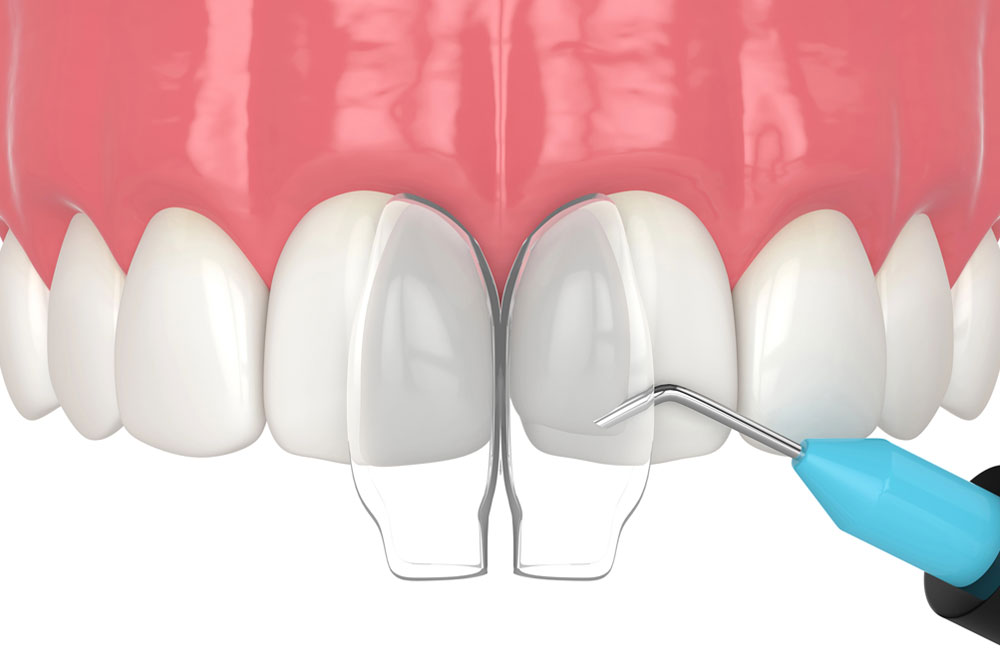
Dental veneers are thin custom shells that cover the front surface of teeth. Porcelain is the most common material because it closely resembles natural enamel in color and translucency. A small layer of enamel is removed before veneers are bonded securely into place.
Veneers are selected for more comprehensive cosmetic improvements. They correct deeper staining, noticeable chips, uneven spacing, and irregular shapes. Each veneer is fabricated in a dental laboratory for a precise and customized fit.
The process generally requires two or more visits. Teeth are prepared and impressions are taken during the first appointment. Veneers are placed and adjusted at a later visit for accurate alignment and appearance.
The final result creates a refined and lasting smile enhancement. Patients often appreciate the predictable and uniform outcome that veneers can achieve.
Appearance and Aesthetic Results
Both bonding and veneers can produce natural-looking results when designed with care. However, veneers typically offer a higher level of customization in color, shape, and translucency. Porcelain reflects light in a way that closely resembles natural enamel.
For patients seeking a uniform, bright smile across multiple teeth, veneers often provide the most dramatic improvement. They are especially effective when multiple cosmetic concerns are present. The overall finish tends to appear smoother and more consistent.
Bonding can also deliver beautiful results, particularly for isolated corrections. However, composite resin does not resist stains as effectively as porcelain. Over time, bonding may require polishing or touch-ups to maintain its appearance. When considering long-term aesthetics, it is important to think about how your smile will look years from now, not just immediately after treatment.
Durability and Longevity
Durability is an important factor in the dental bonding vs. veneer comparison. Bonding commonly lasts several years before repair or replacement becomes necessary. The material may chip or stain over time, particularly with frequent exposure to coffee, tea, or red wine. Porcelain veneers are stronger and more resistant to discoloration. With consistent dental care, veneers can remain intact for well over a decade.
Daily habits affect the lifespan of both treatments. Avoid chewing hard objects and consider a nightguard if you grind your teeth. Maintain excellent oral hygiene and attend regular checkups. Professional monitoring supports long-term success and protects your investment in cosmetic dentistry.
Cost Considerations
Bonding generally involves a lower initial cost. The procedure is completed quickly and does not require laboratory fabrication. This makes it appealing for patients who want modest cosmetic enhancements. Veneers involve custom design and laboratory craftsmanship, which increases the overall investment. Their durability and enhanced appearance may balance the cost over time.
Financial planning should include both present expenses and potential maintenance. Dental bonding vs. veneer cost differences become clearer during a personalized consultation. Our team reviews each option carefully and discusses phased treatment plans if gradual improvements are preferred.
Tooth Preparation and Reversibility
Bonding appeals to many patients because it typically preserves most of the natural tooth structure, requiring only slight surface preparation before the composite material is applied.
Since very little enamel is removed, the treatment is often viewed as reversible, which makes it a comfortable choice for those who prefer a more conservative approach. Veneers, in contrast, involve removing a thin layer of enamel so the restoration fits properly and looks natural against surrounding teeth.
Because enamel does not grow back, veneers represent a permanent commitment that should be considered carefully. We take time to explain each step of the preparation process in detail, so you know exactly what the treatment involves. Clear communication helps you feel confident in your decision and fully comfortable with the long-term commitment connected to your chosen option.
Which Option Is Right for You?
The best choice depends on the condition of your teeth and the results you hope to achieve. If you have minor imperfections and want a conservative, cost-effective solution, bonding may be ideal. It can quickly improve your smile with minimal preparation.
If you desire a more dramatic transformation and long-term durability, veneers may be the better option. They are especially beneficial when addressing multiple cosmetic concerns at once. The final result often appears more uniform and resistant to staining.
Every smile is unique, and there is no one-size-fits-all answer. We take the time to evaluate your teeth, listen to your goals, and design a treatment plan tailored to you and your family. By understanding your expectations and concerns, we can recommend a solution that aligns with both your vision and your lifestyle.
If you are ready to explore your options and determine which solution fits your needs, contact us today to schedule a consultation at Grand Family Dentistry.