

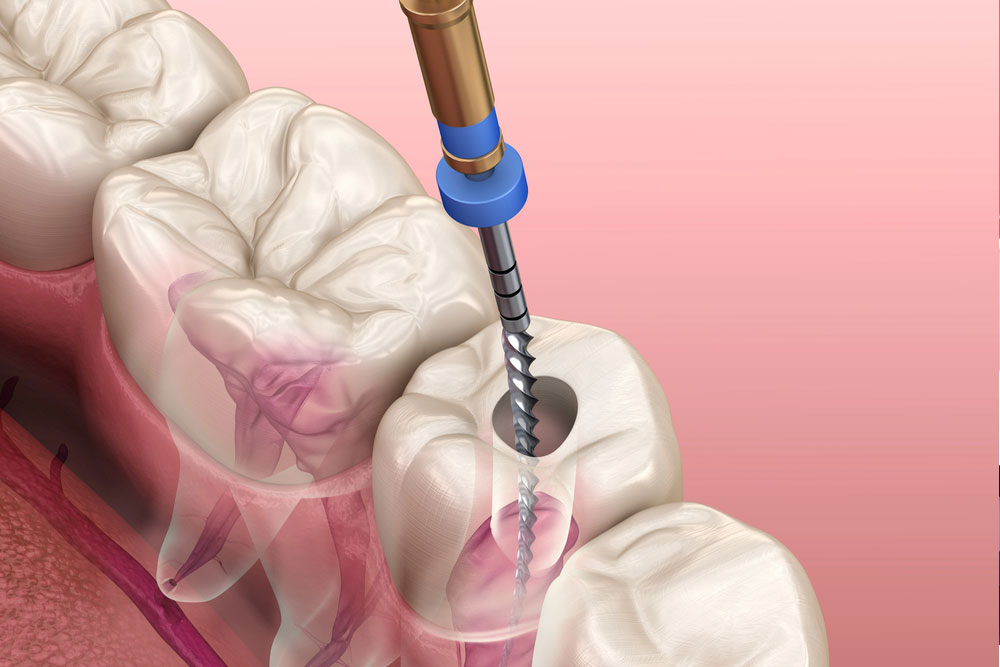
Asking “How do you know if you need a root canal?” usually happens when discomfort feels unusual or persistent. Ongoing tooth pain, unexplained sensitivity, or visible swelling often signal that something deeper is affecting the tooth. Infection or inflammation inside the pulp commonly requires root canal treatment to relieve pain and preserve the natural structure.
Dental discomfort can feel inconsistent. At times it seems mild, and at other moments it becomes sharp and distracting. Recognizing which symptoms require professional attention helps you make informed decisions about your health.
Understanding What a Root Canal Treats
Inside every tooth is soft tissue called pulp. This pulp contains nerves and blood vessels that support tooth development and sensitivity. Once your tooth is fully formed, it no longer depends on the pulp to function properly. When bacteria enter through deep decay, a crack, repeated dental procedures, or trauma, the pulp can become infected.
Because the pulp is enclosed within a hard tooth structure, swelling creates pressure and pain. This is why infections inside teeth can feel intense and persistent. A root canal removes the infected pulp, carefully cleans the inner chamber, and seals the space to prevent further infection.
In most cases, we restore the tooth with a crown to strengthen it and protect it from fracture. The goal is always to eliminate infection while allowing you to keep your natural smile intact.
Persistent Tooth Pain That Does Not Go Away
Ongoing pain is one of the strongest indicators when considering “How do you know if you need a root canal?” This discomfort often feels deep, throbbing, or radiating rather than brief and sharp. Chewing, bending, or applying pressure may intensify the sensation. Temporary sensitivity fades quickly, but infected pulp pain tends to return repeatedly.
Some patients describe a dull ache that gradually worsens over time. Nighttime pain or discomfort that interrupts daily activities should never be dismissed. Pain that lingers for days without improvement is a clear warning sign. Early intervention can prevent the infection from spreading into the surrounding bone and nearby tissues.
Lingering Sensitivity to Hot or Cold
It is common to feel quick sensitivity when drinking hot coffee or eating ice cream. However, sensitivity that lingers long after the temperature stimulus is removed is not normal. This prolonged reaction often indicates irritation or damage to the pulp.
When the nerves inside the teeth are inflamed, they respond more intensely to temperature changes. You may notice a sharp or aching sensation that lasts several seconds or even minutes.
Over time, this sensitivity may become more frequent or more painful. If temperature sensitivity is worsening rather than improving, it is important to have your tooth evaluated. What begins as mild inflammation can develop into an infection if left untreated. Early diagnosis can make a significant difference in your comfort and outcome.
Swollen or Tender Gums Near a Tooth
Gum swelling around one specific tooth often signals an underlying infection. You may notice redness, puffiness, or tenderness in the surrounding tissue. The area can feel warm or slightly raised compared to nearby gums. A small bump may sometimes develop near the root of the tooth. Fluid may drain from this bump and briefly relieve pressure, yet the infection remains inside the tooth and surrounding structures.
Bacteria continue to spread beneath the surface without treatment. Swelling is a natural immune response to infection. Leaving it untreated increases the risk of the infection spreading into the jawbone or adjacent teeth. Early care protects both your oral health and your overall wellness.
Tooth Discoloration
A tooth that appears darker than the others may indicate internal damage. Injury, advanced decay, or long-term infection can interfere with the tooth’s internal blood supply. The color may shift to gray or brown as a result. Discoloration does not always cause immediate pain.
Some patients notice a color change before any discomfort develops. A darkened tooth combined with sensitivity or tenderness often points to pulp involvement. Evaluation is important even in the absence of severe pain. Infection inside the tooth will not heal without treatment.
Pain When Chewing or Touching the Tooth
Discomfort while biting often suggests inflammation near the root tip. Sharp pain may occur when teeth meet or when chewing firm foods. The tooth can also feel sore when touched. This type of sensitivity often means infection has moved beyond the pulp into nearby tissues.
Increased internal pressure makes normal chewing uncomfortable. Avoiding one side of the mouth becomes common as pain persists. Ignoring this symptom can result in worsening infection and weakening of the tooth structure.
What Happens If You Delay Treatment
Delaying treatment allows bacteria to continue multiplying inside the tooth. The infection can spread deeper into the bone and surrounding tissues, leading to increased swelling and discomfort. In more advanced cases, bone loss can occur around the affected root.
Pain may temporarily subside if the nerve inside the tooth dies, but this does not mean the infection has resolved. Instead, the bacteria remain and can form an abscess. An untreated abscess may eventually impact your overall health.
Our goal is always to save your natural tooth whenever possible. Root canal treatment has a high success rate and allows you to maintain normal chewing function and appearance.
Root Canal Treatment Is Designed to Relieve Pain
Many patients hesitate because they associate root canals with discomfort. In reality, modern techniques and local anesthesia make the procedure far more comfortable than most people expect. The purpose of treatment is to remove infection and eliminate pain. Most patients report feeling significant relief soon after the procedure.
Once the infected pulp is removed and the tooth is sealed, inflammation decreases and healing begins. With proper restoration and care, a treated tooth can function for many years.
Protecting your oral health means listening to warning signs and taking action when necessary. If you suspect something is not right, we encourage you to let us evaluate your tooth before the problem worsens.
Contact us today to schedule an appointment and safeguard your smile with Grand Family Dentistry.