

Quick Summary
Dental implant costs vary based on the number of teeth being replaced, the type of restoration, bone condition and any preparatory procedures needed. A single-tooth implant generally costs less than an implant-supported bridge or full-arch restoration. Imaging, bone grafting, restoration materials and sedation can also affect the total cost. A personalized examination and written treatment estimate can give patients a clearer understanding of what their individual implant care may cost.
Dental implant pricing can vary widely because treatment depends on the number of missing teeth, the condition of the jawbone, and the type of restoration used. For patients researching “how much do dental implants cost in Baton Rouge”, the total cost can vary based on the specific treatment plan and procedures required. Looking at the individual parts of treatment can make the overall cost easier to understand.
How Much Do Dental Implants Cost for One Tooth?
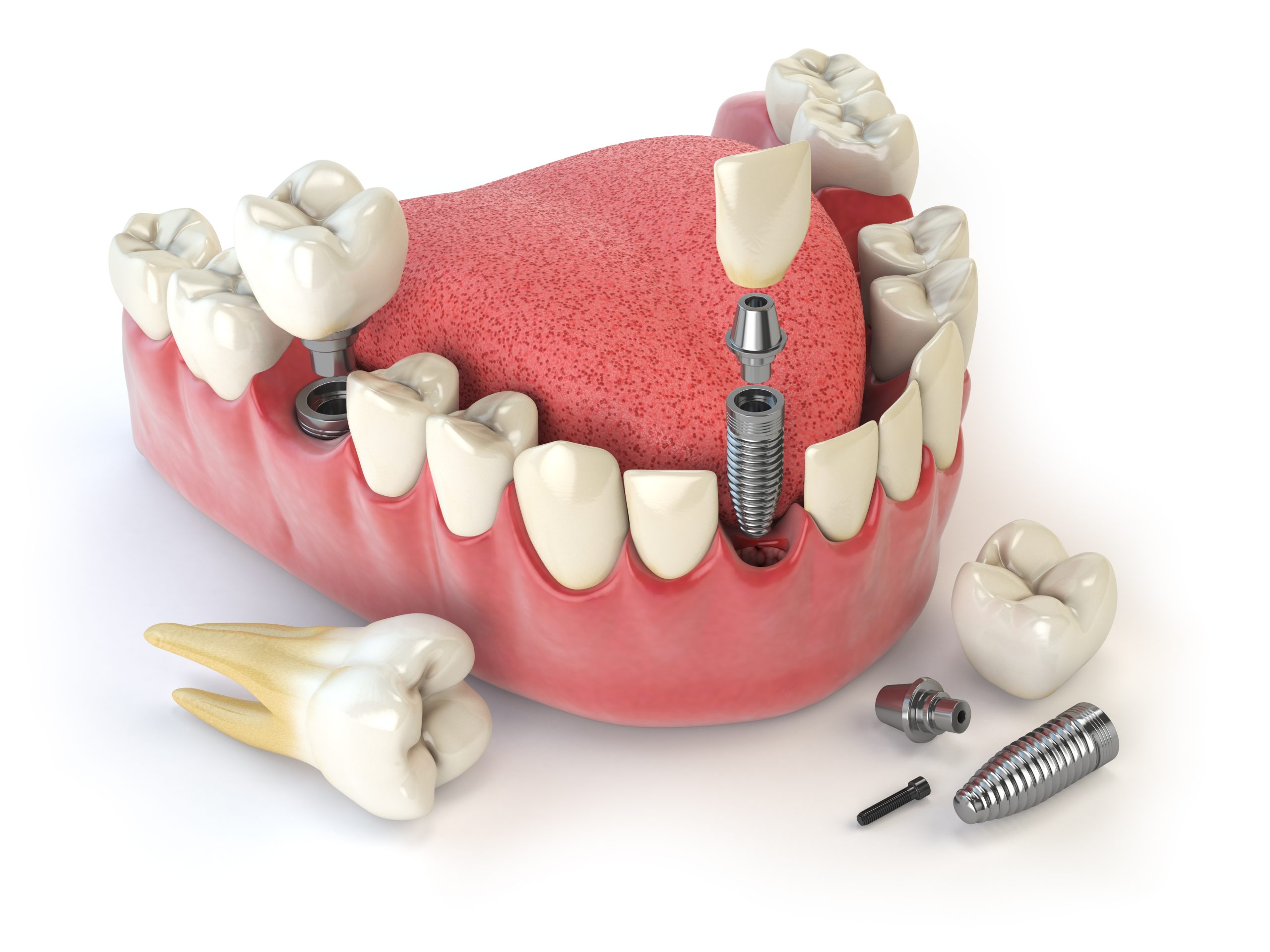
For one missing tooth, the cost of dental implant treatment depends on the procedures and restorations involved. Treatment may include the titanium implant post, the abutment that connects the post to the restoration, the custom crown, and the surgery to place the implant. Additional procedures, such as bone grafting, may also be necessary depending on the condition of the jawbone.
Patients considering dental implants in Baton Rouge, LA should expect an individualized quote because no two treatment plans are identical. At Grand Family Dentistry, we evaluate oral health and bone density as well as treatment goals before proceeding to an implant recommendation. We review a detailed cost breakdown before treatment begins.
The implant cost per tooth can also change when a patient needs another procedure before implant placement. Bone loss, gum health, the condition of nearby teeth, and the location of the missing tooth can all shape the treatment plan. A consultation gives the dentist enough information to determine which steps actually apply.
It also helps to ask what the quoted single-tooth fee covers. One estimate may bundle the implant, abutment, crown, imaging, and placement into one figure, while another may separate those items. Comparing the full treatment scope is more useful than comparing one line item.
What Does a Dental Implant Price Usually Include?
A dental implant is more than the visible replacement tooth. The treatment often includes planning, surgery, healing, and the final restoration, so the total fee reflects several stages rather than one piece of hardware. This is one reason dental implants cost more than some removable tooth replacement choices.
The surgical phase centers on placing the titanium post in the jawbone. Local anesthesia is commonly used during placement, and some treatment plans may include sedation based on the patient and procedure. The dentist may also use diagnostic imaging to study bone structure and plan implant position.
After healing, the restorative phase focuses on the tooth that appears above the gumline. An abutment connects the implant to a custom crown, bridge, or denture, depending on how many teeth need replacement. Materials, laboratory work, design, and the type of restoration can affect the final fee.
Patients should ask for an itemized treatment estimate before making cost comparisons. A clear estimate can show which procedures, restorations, and planning services are included and which are billed separately. Our patients receive a detailed breakdown before treatment begins.
How Does the Number of Missing Teeth Affect the Cost?
Replacing one tooth usually involves one implant and one crown. Replacing several teeth may call for an implant bridge, while a full row of missing teeth may be restored with a full-arch approach. The number and placement of implants can change both surgical and restorative fees.
An implant bridge replacing three teeth may cost about $7,000 to $12,000 or more, depending on the treatment plan and restoration involved. In some cases, two implants can hold a three-unit bridge, so replacing several teeth does not always require one implant for each missing tooth.
For an implant-retained denture, the implant and attachment mechanism may cost roughly $1,500 to $3,500 per implant. The total treatment cost can be higher when the denture, imaging, planning, preparatory procedures, or other services are included.
Full-arch treatment involves a larger restorative plan. The total cost can vary significantly depending on the number of implants needed, the type of prosthesis selected, the condition of the jawbone, and whether additional procedures are required. An All-on-4-style treatment typically involves four implants supporting a full-arch prosthesis, with treatment potentially including a temporary prosthesis followed by a final fixed restoration.
Why Can Bone Grafting Increase Dental Implant Costs?
Dental implants need enough healthy bone for stable placement. When the jaw has lost bone after tooth loss, gum disease, injury, or another issue, the dentist may recommend a graft before placing an implant. That extra procedure adds another treatment stage and can increase the total price.
A graft may also extend the treatment timeline because the area needs time to heal before implant placement in some cases. The amount of grafting varies, so the fee can differ greatly between a small site and a more involved reconstruction. The dentist can explain the recommended approach after reviewing images and examining the area.
Not every implant patient needs grafting. Bone density is also part of the evaluation. Remember that cases requiring bone grafting may take longer than the usual implant timeline.
This is another reason a simple online average cannot predict one patient’s final total. Two people replacing the same tooth may start with very different bone conditions. The treatment plan should reflect the health of the site rather than force every case into one advertised price.
How Do the Crown and Restoration Affect the Final Price?
The implant post forms the foundation, but the visible restoration completes the tooth replacement. A single crown, an implant bridge, an implant-retained denture, and a fixed full-arch restoration involve different amounts of laboratory work and different materials. Those differences influence the overall dental implants cost.
A single custom crown must fit the implant, meet the opposing teeth correctly, and blend with nearby teeth. Larger restorations require more extensive design because they replace several teeth and must account for chewing forces across a wider area. The complexity of that work can increase the restorative portion of the fee.
Material selection can affect pricing as well. Final restoration materials, such as zirconia or porcelain-fused-to-metal, may influence the total.
Patients comparing quotes should look beyond the implant post itself. Ask which final restoration is planned, what materials are being used, and how the restoration fits into the quoted amount. That information gives the price more context and reduces confusion later.
How Does the Location of a Missing Tooth Affect Implant Treatment?
The location of a missing tooth can influence how a dentist plans implant treatment. Front teeth often require added attention to appearance, gum contours, and how the final crown blends with nearby teeth, while back teeth must handle stronger chewing forces.
Bone volume can also differ from one area of the mouth to another. Some sites may have enough bone for straightforward implant placement, while others may need grafting or a different surgical approach before the implant can be placed.
The position of nearby nerves, sinuses, and natural teeth can also shape treatment planning. These anatomical differences may affect imaging needs, surgical complexity, and the type of restoration selected, which can influence the final fee.
Can Imaging, Sedation, and Treatment Planning Change the Fee?
Implant dentistry depends on careful planning before surgery. Diagnostic imaging can help the dentist assess bone dimensions, nearby structures, and possible implant position. Some cases may also use a surgical guide as part of the placement plan.
Three-dimensional CBCT imaging and surgical guides may form part of implant planning. Anesthesia or sedation are also among possible components of the surgical phase.
These services may be bundled into a comprehensive quote or listed separately. Patients should ask how the office organizes its estimate instead of assuming that every quoted figure covers the same items. A lower starting figure may not represent the full treatment total if later stages are excluded.
Does Dental Insurance Pay for Dental Implants?
Insurance coverage varies by plan, so patients should review their benefits before relying on a specific reimbursement amount. Some plans may contribute to certain parts of treatment, while exclusions, annual maximums, waiting periods, or other plan rules can affect what the insurer pays. Coverage for the crown, extraction, or another related service may differ from coverage for the implant itself.
Our team reviews insurance coverage and discusses payment options with patients. A written treatment estimate can help patients see the projected fee before treatment and identify which parts may be submitted to insurance.
How Can You Compare Dental Implant Quotes Fairly?
Start by comparing the complete treatment plan rather than the headline price. One quote may include the implant post, abutment, crown, imaging, and placement, while another may show only part of that process. Ask for enough detail to understand what the total represents.
Next, compare the recommended restoration. A single crown cannot be evaluated against a bridge or full-arch restoration as if they were the same treatment. The number of implants, laboratory work, materials, and preparatory procedures all affect the total.
Ask about possible costs that could arise before or during treatment. Bone grafting, extractions, sedation, additional imaging, or a change in restoration can alter the plan in some cases. Knowing which items are included, optional, or only needed after further evaluation makes the estimate easier to interpret.
Finally, consider the treatment timeline along with the price. Implant treatment often takes about three to six months from placement to the final crown, largely because the implant needs time to integrate with the jawbone, and grafting may lengthen that schedule.
What Should You Ask Before Starting Implant Treatment?
Ask the dentist which implant option fits your specific tooth loss and why. The answer should cover the number of implants, the type of restoration, the expected treatment sequence, and any preparatory work that may be needed. Clear explanations make it easier to understand the estimate and make an informed decision.
It is also useful to ask which fees appear in the treatment plan and which could be added later. Discuss imaging, grafting, extractions, anesthesia, temporary restorations, the final crown or prosthesis, and follow-up care that relates to the procedure. This conversation can prevent a simple starting price from being mistaken for the complete cost.
Patients who need help spreading out treatment expenses can also ask about dental financing in Baton Rouge and other available payment arrangements. Financing terms vary, so review the payment amount, repayment period, eligibility terms, and any interest or fees before choosing an option.
Getting an Accurate Dental Implant Estimate in Baton Rouge
So, how much do dental implants cost in Baton Rouge? A single implant and crown may fall around $3,500 to $5,500, while multi-tooth and full-arch treatments may reach much higher totals.
The most useful number, however, is the estimate tied to your own examination and treatment plan. Bone condition, implant count, restoration type, imaging, preparatory procedures, and insurance benefits can all change the final amount, so an individual evaluation gives you a clearer basis for planning.
Request Your Dental Implant Consultation
At Grand Family Dentistry, we offer dental implant treatment designed around your oral health, missing teeth, bone condition, and long-term goals. Request an appointment with our Baton Rouge team to discuss your implant options and receive a personalized treatment estimate.
FAQs
How much does a dental implant cost per tooth?
The implant cost per tooth varies because treatment can include the implant post, abutment, crown, imaging, and surgical placement. Bone grafting or other preparatory care can increase the total. A dentist must examine the treatment area before giving an accurate estimate for a specific tooth.
What causes differences in dental implant costs?
Dental implant costs depend on factors such as the number of implants, bone density, the type of restoration, and the complexity of treatment. A patient who needs bone grafting or several implants will have a different treatment plan from someone replacing one tooth with adequate jawbone.
Does dental insurance cover implants?
Dental insurance coverage depends on the individual plan and the services included in treatment. Some patients may receive benefits for certain parts of their care, while other expenses remain out of pocket. Grand Family Dentistry reviews insurance coverage and discusses payment options before implant treatment begins.
Can bone grafting increase the cost of dental implants?
Yes. Bone grafting adds another procedure when the jaw does not have enough healthy bone for implant placement. It can also extend the treatment timeline because the graft may need time to heal before the implant is placed.