

Quick Summary
The commonly cited twice-a-year recommendation for dental checkups works well for most people, but the right frequency actually depends on individual risk factors like gum disease history, chronic conditions, or ongoing orthodontic treatment. Some patients benefit from visits every three to four months, while others with strong oral health can comfortably stick to the standard schedule. Regular checkups catch issues like cavities and gum disease early, before they become more painful and expensive to treat. A personalized evaluation, rather than a generic rule, remains the most reliable way to determine how often you should actually be seen.
Most people carry a vague rule in the back of their mind about dental visits, usually something like “twice a year,” without really knowing where that number came from or whether it applies to them personally. The truth is that how often should you go to the dentist depends on more than a generic calendar reminder. Your oral health history, current risk factors, and even your diet all play a role in determining the right frequency for you.
This blog breaks down where the standard recommendation comes from, when it makes sense to visit more often, and how to figure out what your own ideal schedule should actually look like.
Where the Twice-a-Year Rule Comes From
The recommendation to visit the dentist every six months has become the default guideline because it strikes a reasonable balance for most people with average oral health. Every six months is frequent enough to catch developing issues like small cavities or early gum inflammation before they progress, but not so frequent that it becomes unnecessary for people with generally healthy mouths.
That said, this guideline was never meant to be a strict rule for everyone. It is a starting point, and your dentist will often adjust it based on what they find during your first few visits together.
When You Might Need More Frequent Visits
Certain factors increase how often you should be seen. If you have a history of gum disease, frequent cavities, or ongoing issues like TMJ treatment needs, your dentist may recommend visits every three to four months instead of the standard six. Smokers, people with diabetes, and pregnant patients also often fall into a higher-risk category that benefits from closer monitoring.
Orthodontic patients wearing braces or aligners typically need more frequent visits too, since cleaning around brackets and wires requires extra attention that a standard six-month gap does not adequately cover.
When Standard Visits Are Enough
If you have no history of gum disease, no chronic dental issues, and generally strong oral hygiene habits at home, the standard six-month schedule is usually sufficient. Your dentist will confirm this after reviewing your history and conducting an exam, rather than assuming it applies simply because it is the common default.
Consistency matters here more than frequency. Sticking to your recommended schedule, whatever it is, does more for your long-term oral health than sporadically going more often but skipping visits altogether for stretches of time.
What Happens During a Typical Checkup
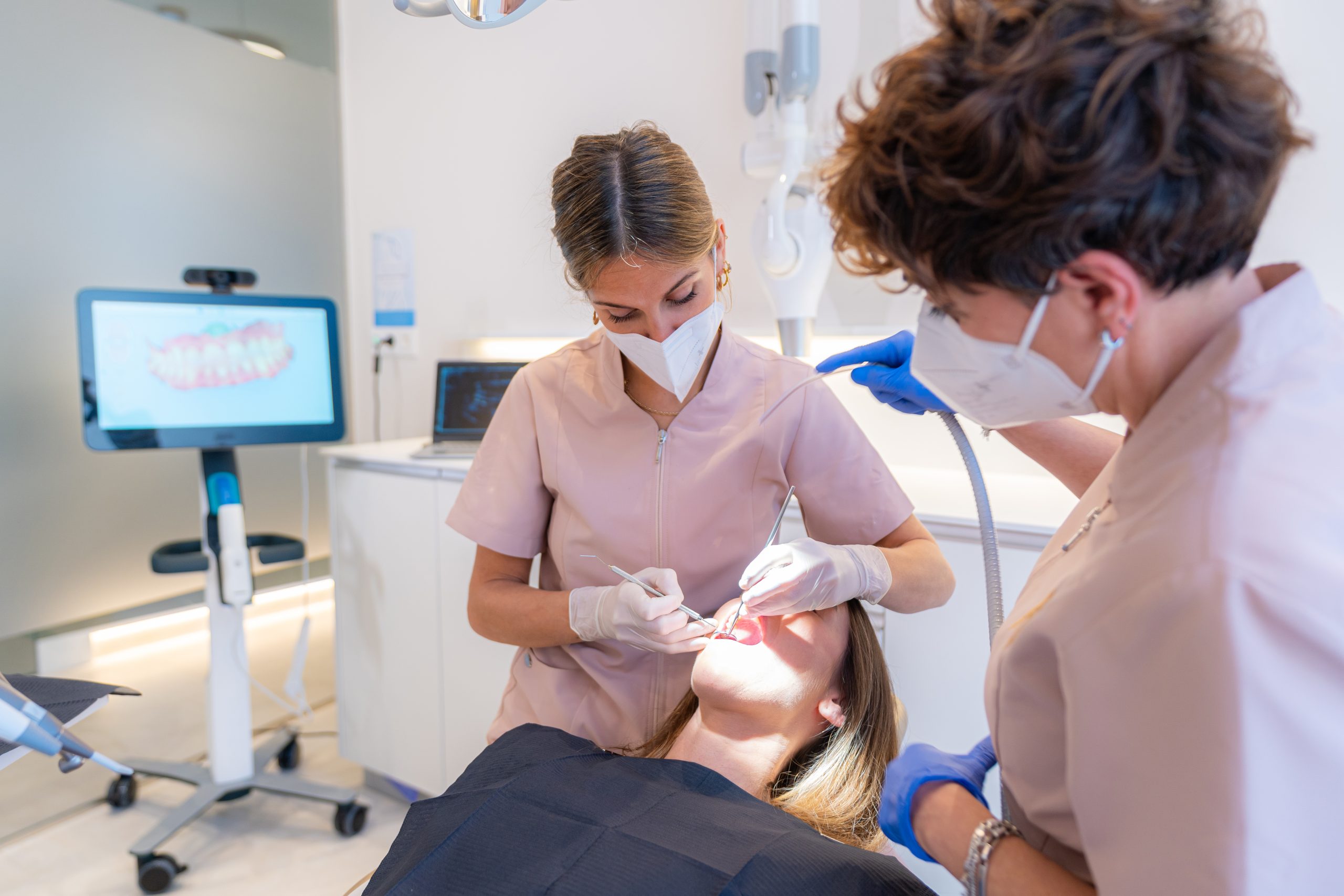
A standard visit for general and family dentistry in Baton Rouge, LA usually includes a professional cleaning, a visual exam, and X-rays if it has been a year or more since your last set. Your dentist will check for cavities, signs of gum disease, and any changes since your previous visit.
This is also the time to mention any discomfort, sensitivity, or changes you have noticed, even if they seem minor. Small symptoms are often easier and less expensive to address early, before they develop into something requiring more involved treatment like tooth extractions.
Why Skipping Checkups Costs More Than It Saves
It is tempting to skip a visit when nothing feels wrong, but many dental issues develop silently before becoming noticeable or painful. Gum disease, in particular, often progresses without obvious symptoms until it has advanced significantly. Catching it early through routine gum disease treatments is far simpler and less costly than addressing it after it has spread.
Regular checkups are one of the few areas of healthcare where consistent, preventive attention almost always costs less than reactive treatment down the road.
How Age and Life Stage Affect Visit Frequency
Children often benefit from more frequent monitoring as their teeth develop, while adults with stable oral health may comfortably stick to the standard schedule for years. Older adults, particularly those with dentures, dental bridges, or other restorative work, may also need more frequent checks to ensure everything continues fitting and functioning properly over time.
Your ideal frequency is not static either. It can shift as your health, habits, or dental history change, which is another reason routine visits matter, since your dentist can adjust recommendations along the way.
How Grand Family Dentistry Personalizes Your Schedule
At Grand Family Dentistry, we do not apply a blanket recommendation to every patient. Our team reviews your history, current oral health, and any risk factors before suggesting a schedule that actually fits your situation. Some patients need more frequent visits, others need less, and we would rather tell you the truth than push a generic timeline that does not serve you.
We believe informed patients make better decisions about their own care, which is why we always explain the reasoning behind our recommendations rather than simply stating a number.
Finding Your Ideal Checkup Schedule
The only way to truly know how often you should visit the dentist is through a personal evaluation with a provider who takes the time to understand your specific history and risk factors.
Schedule your next appointment with us and we will help determine the checkup frequency that actually makes sense for your smile.
FAQs
Is it necessary to go to the dentist twice a year if I have no pain?
Yes, many dental issues develop without noticeable symptoms, so regular checkups help catch problems before they become painful or costly.
Do children need to visit the dentist more often than adults?
Often yes, since their teeth are still developing and more frequent monitoring can catch issues early.
How do I know if I need more frequent visits than the standard schedule?
Your dentist will typically recommend a more frequent schedule if you have a history of gum disease, frequent cavities, or ongoing dental concerns.
Can I space out visits further if my teeth feel fine?
It depends on your history and risk factors. Your dentist can confirm whether a longer interval is appropriate after reviewing your specific case.
Does wearing braces or aligners change how often I should be seen?
Yes, orthodontic patients typically need more frequent visits to ensure proper cleaning and monitor progress throughout treatment.