

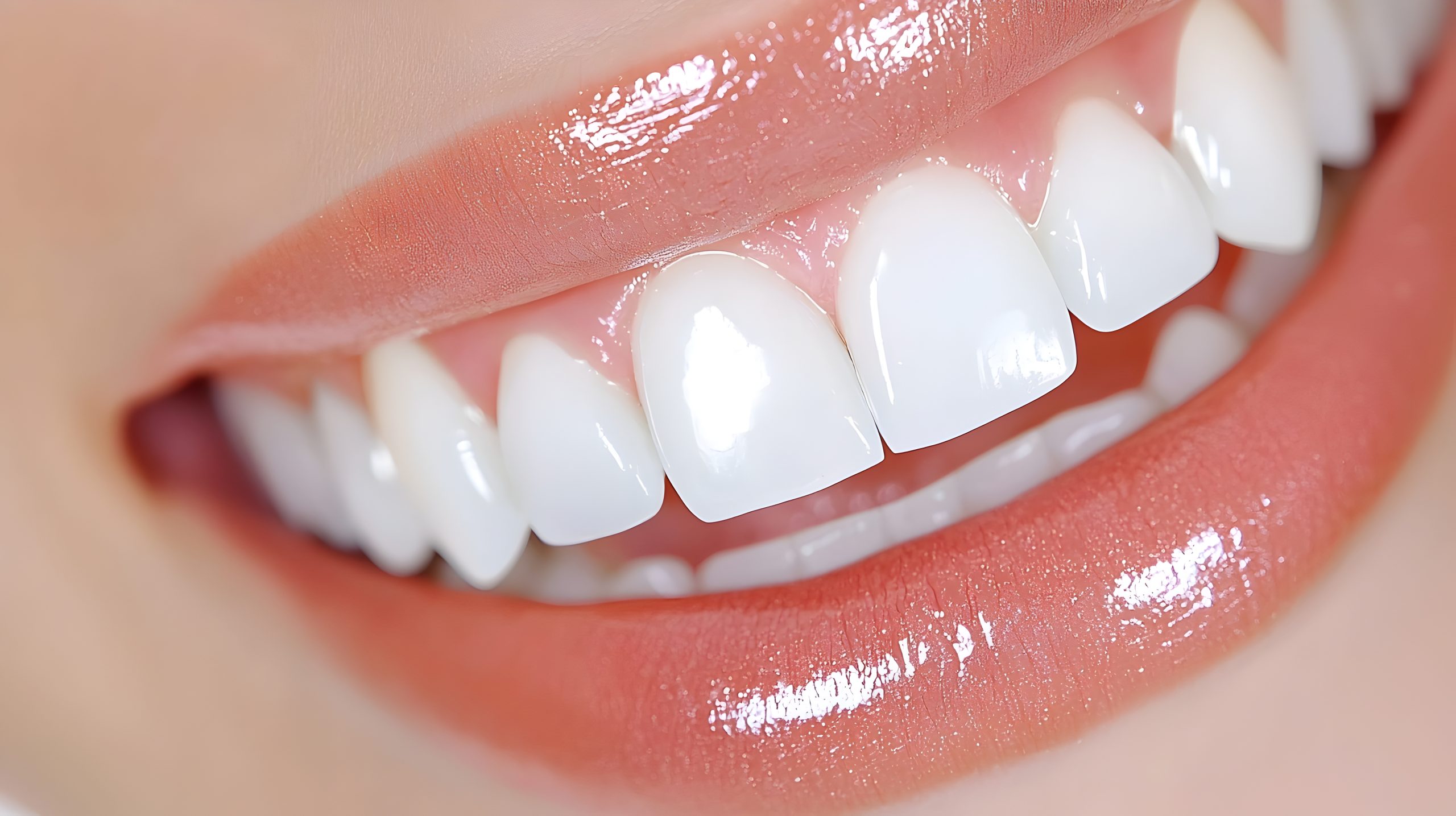
Dental bonding in Baton Rouge, LA is a fast and minimally invasive way to improve small cosmetic concerns like chips, gaps, or discoloration. Many patients search for dental bonding pros and cons to understand how it compares to other treatments. This guide explains how bonding works, what results you can expect, and when it makes sense to consider other options for long-term results.
What Is Dental Bonding and How Does It Work?
Dental bonding uses a tooth-colored resin to improve the appearance of a tooth. The material is shaped directly onto the surface, then hardened with a special light. Once polished, it blends with the surrounding teeth to create a natural look.
This treatment is often completed in a single visit, which makes it appealing for patients who want quick results. At our office, bonding is part of a broader approach to cosmetic dentistry in Baton Rouge, LA, where treatments are selected based on both appearance and long-term comfort.
The Benefits of Dental Bonding for Everyday Smile Improvements
Dental bonding offers several advantages that make it a popular option for small cosmetic changes. One of the main benefits of dental bonding is how quickly results can be achieved. Many procedures are completed in a single appointment, allowing patients to see an immediate difference.
Another advantage is how conservative the treatment is. Bonding usually requires little to no removal of enamel, which helps preserve the natural structure of the tooth. This makes it a comfortable option for patients who prefer a less invasive approach.
Bonding is also versatile. It can be used to repair chips, close small gaps, and improve uneven edges. In some cases, it can even make slightly discolored teeth appear brighter. These improvements may seem small, but they often have a noticeable effect on overall smile appearance.
For patients who want a cost-conscious option, bonding can also be appealing. Compared to other cosmetic treatments, it often requires less time and fewer steps, which can make it more accessible.
Understanding the Limitations Before You Decide
While bonding offers clear benefits, it is important to understand its limitations. One of the main concerns patients have when reviewing teeth bonding pros and cons is durability. The composite material used in bonding is not as strong as porcelain, which means it can chip or wear over time.
Another consideration is staining. Unlike porcelain veneers, bonding material is more porous and can absorb stains from coffee, tea, or tobacco. Over time, this may affect the appearance of the treated tooth.
Bonding is also best suited for minor corrections. If a patient has more significant damage or alignment concerns, other treatments may offer better long-term results. In those cases, bonding may not achieve the level of improvement a patient is hoping for.
Understanding these factors helps set realistic expectations. Bonding works well in the right situations, but it is not a one-size-fits-all solution.
How Long Does Dental Bonding Last?
One of the most common questions patients ask is how long bonding will last. In general, bonding can last several years with proper care, often between three and ten years depending on habits and daily wear.
Maintaining bonding involves regular brushing, flossing, and routine dental visits. Avoiding habits like biting hard objects or using teeth to open packaging can also help extend its lifespan.
While bonding may need touch-ups or replacement over time, many patients find that the initial results and convenience make it a worthwhile option. The ability to make quick adjustments later can also be helpful for maintaining a consistent appearance.
When Dental Bonding Is a Good Fit for Your Smile
Bonding is often a good choice for patients who want to make small improvements without a major procedure. It works well for chipped edges, minor gaps, or teeth that need slight reshaping.
For patients preparing for an event or simply looking for a quick enhancement, bonding offers a straightforward path. It can also be a helpful option for younger patients who may not be ready for more permanent treatments.
In many cases, bonding is used as part of a larger plan. It may be combined with whitening or other cosmetic treatments to create a balanced result. This flexibility makes it a practical option in a variety of situations.
When You May Want to Consider Other Options
There are times when bonding may not be the best choice. Patients who want long-term durability or resistance to staining may consider alternatives such as veneers or crowns.
For example, porcelain veneers offer a longer lifespan and maintain their color over time. Crowns may be recommended when a tooth needs more structural support. These treatments require more preparation, but they often deliver longer-lasting results.
A consultation helps determine which option aligns with your goals. By comparing bonding with other treatments, it becomes easier to choose an approach that fits both your expectations and lifestyle.
How to Decide if Bonding Is Right for You
Choosing the right treatment involves looking at both your goals and the condition of your teeth. Some patients prioritize quick results, while others focus on long-term durability.
During your visit, we evaluate your teeth, discuss your goals, and explain what each option can achieve. This helps create a clear plan that matches what you want to improve.
Patients often find that understanding both the strengths and limitations of bonding makes the decision easier. It allows for a more confident choice based on realistic expectations.
FAQs
How long does the dental bonding treatment take?
Most bonding procedures are completed in one visit, often within an hour per tooth.
Does dental bonding hurt?
Bonding is usually comfortable and often does not require anesthesia, since little enamel is removed.
Can dental bonding stain over time?
Yes, the material can absorb stains from certain foods and drinks, so good habits help maintain its appearance.
Which is better: dental bonding or veneers?
Bonding is quicker and less invasive, while veneers offer longer-lasting and more stain-resistant results.
Can bonding fix gaps between teeth?
Yes, bonding is commonly used to close small gaps and improve the shape of teeth.
Schedule Your Visit With Our Team
If you are thinking about improving your smile and want to explore the benefits of dental bonding, our team at Grand Family Dentistry is here to help. We focus on clear communication, modern techniques, and a comfortable experience from start to finish.
Patients appreciate having access to both cosmetic and restorative treatments in one place, along with guidance that feels easy to understand. With flexible financial options and a team that takes time to explain each step, moving forward with care feels more manageable.
If you have been weighing the dental bonding pros and cons, the next step is simple. Contact us today to schedule your visit and find out if bonding is the right fit for your smile.