

Patients often ask, “Is teeth scaling necessary?” when they already brush and floss consistently at home. This concern frequently arises when teeth look clean and show no obvious buildup.
To fully understand the answer, it is important to look beyond surface appearance and consider long-term oral health. Professional scaling is not just a cosmetic procedure. It plays a vital role in preventing gum disease, lowering harmful bacteria levels, and preserving the strength of your teeth and gums for years to come.
Understanding Teeth Scaling
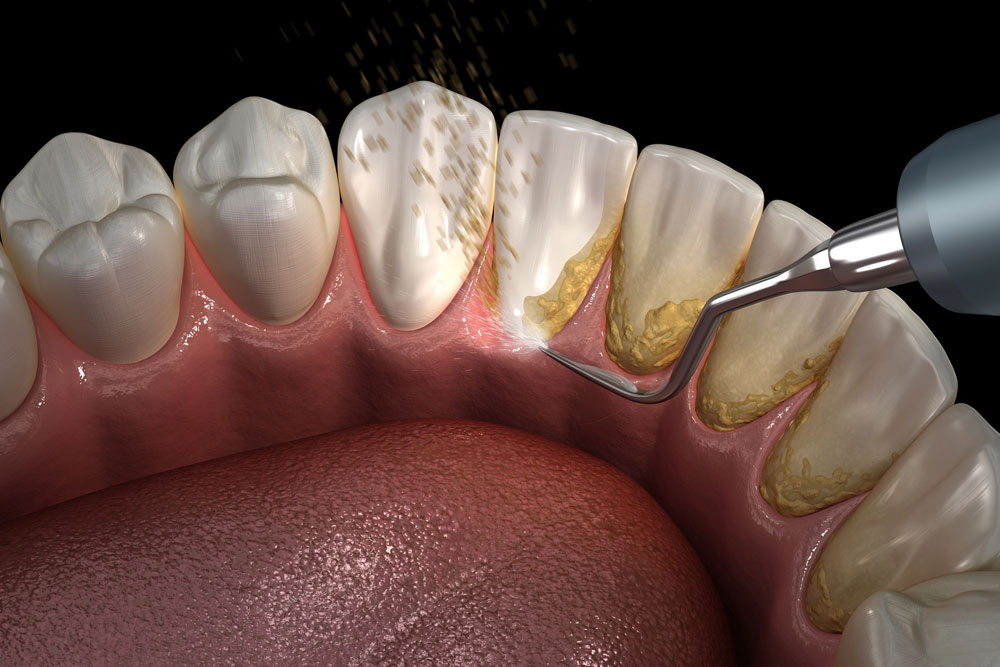
Teeth scaling is a professional cleaning procedure designed to remove plaque and hardened tartar from tooth surfaces and along the gumline. Daily brushing and flossing are essential, yet they cannot eliminate every deposit, particularly once plaque hardens into tartar. As these deposits accumulate, they contribute to gum irritation, persistent bad breath, and progressive periodontal disease.
Dental professionals use specialized instruments to carefully remove buildup above and below the gumline. In certain cases, scaling is combined with root planing, which smooths tooth roots and supports gum healing.
Modern techniques and comfort measures make the process efficient and manageable for most patients. Addressing buildup early reduces the likelihood of advanced dental complications.
Why Plaque and Tartar Are Harmful
Plaque forms continuously on teeth as a sticky film of bacteria. When it remains undisturbed, it hardens into tartar that cannot be removed with a toothbrush alone. Both plaque and tartar increase the risk of tooth decay, gum inflammation, and chronic bad breath. Tartar that collects near the gumline often leads to gingivitis, which presents as redness, swelling, and bleeding during brushing.
Untreated gingivitis can progress to periodontitis, a more serious condition that damages the bone and connective tissue supporting teeth. Scaling disrupts this progression by removing bacterial buildup before permanent damage occurs. Professional cleaning also lowers the overall bacterial load in the mouth, supporting healthier gums and fresher breath.
How Often Should Teeth Scaling Be Performed?
The ideal frequency for scaling depends on individual risk factors, oral hygiene habits, and overall gum health. Many patients benefit from professional cleaning every six months. Those with a history of gum disease or heavy tartar buildup may require more frequent visits. Regular examinations allow dental professionals to detect early signs of inflammation or buildup and intervene promptly.
Patients who continue to ask “Is teeth scaling necessary?” often find that consistent appointments prevent more complex procedures later. Ongoing monitoring creates a stable foundation for lifelong oral health and helps families maintain consistent care across every stage of life.
The Procedure: What to Expect
Teeth scaling is typically straightforward and can be completed in one or two visits, depending on the level of buildup. During the procedure, your dental professional will carefully examine your teeth and gums, using specialized instruments to remove plaque and tartar both above and below the gumline.
For patients with sensitivity or anxiety, we may apply local anesthesia to ensure comfort. After scaling, the teeth are polished to smooth surfaces and make it harder for plaque to adhere. Some patients notice slight sensitivity for a day or two, but most experience immediate relief from irritation and a cleaner, fresher mouth.
We take the time to explain every step, answer questions, and provide tips for maintaining oral hygiene at home. This combination of professional care and daily habits ensures the best possible results.
Benefits of Teeth Scaling
The benefits of regular scaling go far beyond aesthetics. It plays a critical role in preventing gum disease, tooth decay, and bad breath. By removing hardened deposits, scaling allows your gums to heal and maintain a tight seal around your teeth, reducing the risk of infection. Patients often report that scaling leaves their mouth feeling fresh and their teeth looking brighter.
Over time, it helps reduce the chance of needing more invasive treatments like root canals, gum surgery, or tooth extractions. For children, regular scaling helps develop healthy dental habits and reduces early cavities. Scaling also contributes to overall health.
Studies show that poor oral hygiene is linked to systemic conditions such as heart disease, diabetes, and respiratory infections. By maintaining clean teeth and healthy gums, you are supporting your entire body, not just your smile.
Who Benefits Most from Teeth Scaling?
Professional scaling benefits patients of all ages. Individuals with gum disease, smokers, diabetics, and those with weakened immune systems often require closer monitoring. Children and teenagers gain support during developmental stages when oral hygiene habits are still forming. Adults and seniors face increased risk as enamel wears and gums recede over time.
Even diligent brushing and flossing cannot remove hardened tartar beneath the gumline. Early removal prevents silent progression of disease and protects long-term dental stability.
Scaling vs. Brushing and Flossing
Daily brushing and flossing remain the cornerstone of home care, yet they cannot replace professional scaling. Toothbrush bristles do not effectively reach deep below the gumline or remove calcified tartar. Floss clears debris between teeth but does not eliminate hardened deposits bonded to enamel. Scaling complements home care by addressing areas that daily routines cannot fully reach.
Together, these practices create comprehensive protection against decay and gum disease.
Addressing Concerns About Discomfort
Some patients feel uncertain about scaling because they are concerned about possible discomfort. Advances in dental technology and effective numbing methods have made the procedure much more comfortable than people often expect.
Most individuals notice only slight sensitivity afterward, and this typically fades within a day or two. We pay close attention to patients who experience dental anxiety and take thoughtful steps to help them feel at ease.
Clear explanations, gentle techniques, and open communication throughout the visit create a calm and supportive environment. Our priority is to make scaling a smooth and comfortable experience for every member of your family.
When to Schedule Your Next Scaling
If it has been a while since your last professional cleaning or you are unsure whether you need a deeper treatment, scheduling a consultation is a smart next step. Our team will evaluate your oral health, determine how often scaling should be performed, and share personalized recommendations for keeping your mouth healthy.
Teeth can appear clean while hidden buildup remains below the surface, which is why professional evaluation is so valuable. Patients who notice gum sensitivity, minor bleeding, or persistent bad breath often experience noticeable improvement after scaling. Keeping regular appointments supports long-term oral health and helps your family maintain strong, healthy smiles.
If you want to protect your family’s smiles and maintain strong oral health for years to come, schedule an appointment with us today at Grand Family Dentistry. Our team is here to provide gentle, thorough care for patients of all ages and guide you toward a lifetime of healthy teeth and gums.