

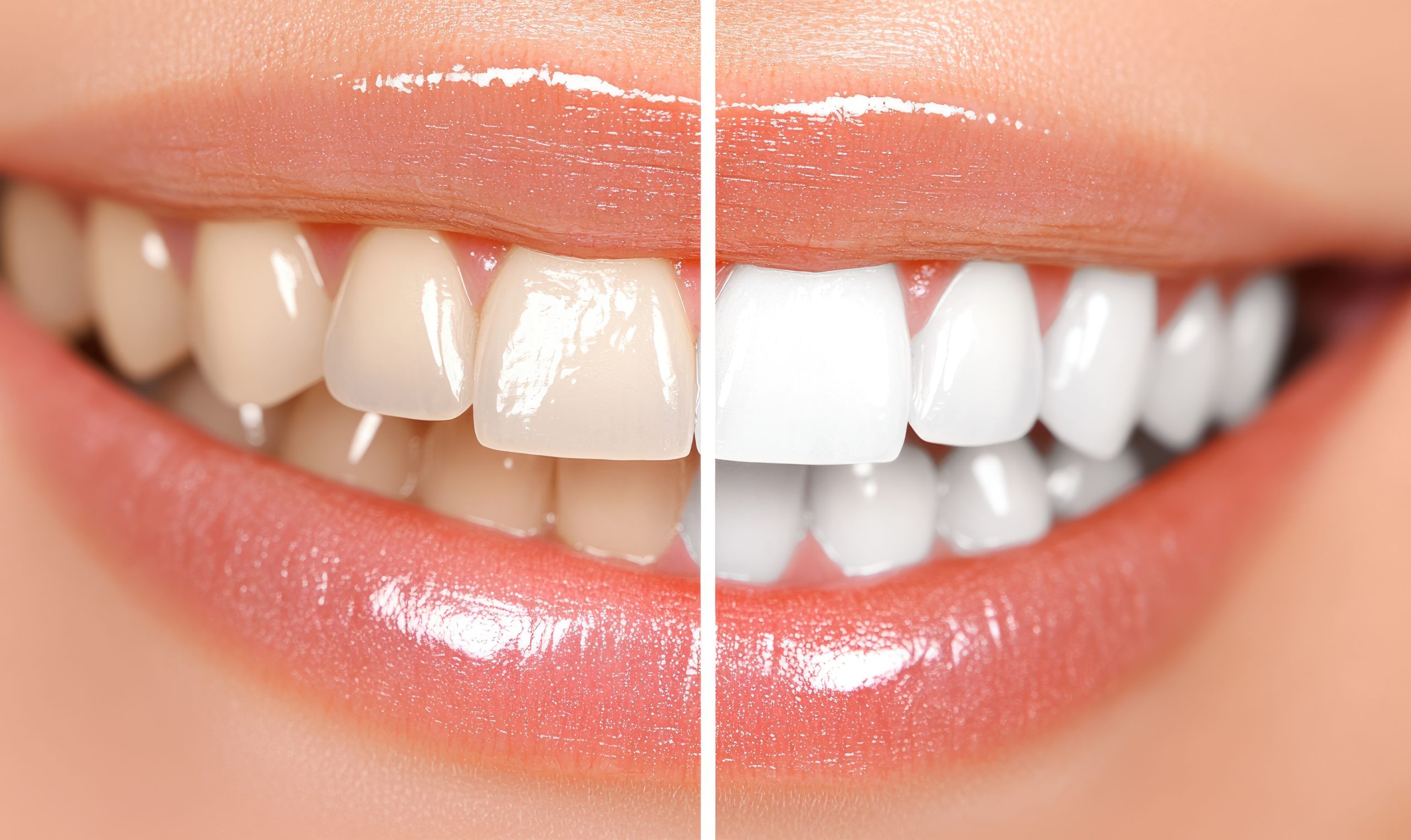
Quick Summary
Teeth are temporarily more porous right after whitening, making them more likely to absorb pigment from food and drinks. Sticking to light-colored foods like chicken, rice, and plain yogurt for about 48 hours helps protect your results, while dark sauces, coffee, wine, and acidic foods should be avoided during this window. Following this short period of caution, along with habits like rinsing after meals and using a straw for dark drinks, helps maintain a brighter smile for much longer. Personalized aftercare guidance from your dentist remains the most reliable way to protect your investment in whitening treatment.
A freshly brightened smile can be undone faster than most people realize, and it usually comes down to what happens at the dinner table in the days that follow. If you are wondering what to eat after teeth whitening, the short answer is that your teeth are temporarily more porous and more prone to picking up stains than usual, which means your food choices matter more right after treatment than at almost any other time.
This window of vulnerability does not last forever, but it does require a bit of intention. This blog covers what to eat, what to avoid, and how long you should stay cautious before returning to your normal diet without worry.
Why Teeth Are More Prone to Staining Right After Whitening
Whitening treatments work by opening the pores of your enamel just enough to lift stains and discoloration from within the tooth. That same openness that allows the whitening agent to work also makes your teeth temporarily more absorbent to color and pigment from food and drink. Think of it like freshly painted wood that has not fully cured; anything that touches it in that window is more likely to leave a mark.
This is why dentists commonly refer to the first 48 hours after treatment as the “white diet” period, since sticking to light-colored foods during this time gives your enamel a chance to close back up before it is exposed to anything pigmented.
Foods That Are Safe to Eat
During the sensitive window, stick to foods that are naturally light or white in color. Plain chicken, rice, plain pasta, white bread, bananas, cauliflower, and plain yogurt are all safe choices that will not introduce staining pigments to your enamel. Water is always the safest beverage, and clear or light-colored drinks are generally fine in moderation.
If you need something with more texture or flavor, mild cheeses, egg whites, and plain crackers work well without putting your results at risk. The goal is not to eat blandly forever, just to be intentional for a short stretch of time.
Foods and Drinks to Avoid
Foods to avoid after teeth whitening include anything with strong color pigments, particularly dark sauces, berries, red wine, coffee, tea, and dark sodas. Tomato-based foods, soy sauce, and balsamic vinegar also fall into this category, since their deep pigmentation is exactly the kind of thing your enamel is most vulnerable to absorbing right now.
Acidic foods deserve caution too, not because of color but because acid can further soften enamel temporarily, making it even more receptive to staining. Citrus fruits, vinegar-based dressings, and carbonated drinks are worth setting aside for a few days.
How Long After Teeth Whitening Can You Eat Normally?
Most dentists recommend following the white diet for at least 48 hours, though some suggest extending caution up to a week for the best possible results. This really depends on the specific treatment used and how sensitive your enamel tends to be, so following your dentist’s specific guidance after your appointment matters more than any general rule found online.
After this initial period, your enamel returns to its normal state, and the risk of staining drops back to typical levels. That said, habits like drinking coffee through a straw or rinsing with water after dark foods can help maintain your results for much longer.
Habits That Help Maintain Your Results Long Term
Beyond the initial recovery window, a few ongoing habits go a long way in protecting your investment. Rinsing your mouth with water after consuming anything pigmented helps limit prolonged contact between staining agents and your enamel. Using a straw for dark beverages reduces direct contact with your front teeth.
Consistent brushing and regular visits for dental cleanings and exams also help remove surface buildup before it has a chance to set in, keeping your smile brighter for longer between whitening sessions.
What Happens If You Do Not Follow These Guidelines
Ignoring the white diet recommendation will not ruin your results permanently, but it can noticeably shorten how long your smile stays as bright as it was right after treatment. Many patients who indulge in coffee or wine too soon notice a duller appearance within days rather than weeks, which can feel disappointing after investing time and money into the treatment.
The good news is that this is entirely within your control. A little planning around meals for a short window makes a meaningful difference in how long your results actually last.
Can You Eat Immediately After Teeth Whitening?
In most cases, you can eat shortly after your whitening appointment, but choosing the right foods is just as important as the timing. Soft, light-colored foods are ideal because they place less stress on teeth that may feel temporarily sensitive while reducing the risk of staining. If your dentist recommends waiting before eating, follow those instructions carefully, as recommendations can vary depending on the whitening system used.
If you experience mild sensitivity, avoid foods that are extremely hot or cold during the first day or two. Choosing foods served at room temperature can help minimize discomfort while your teeth adjust after treatment.
Managing Tooth Sensitivity After Whitening
Temporary tooth sensitivity is one of the most common side effects of professional teeth whitening. You may notice brief discomfort when consuming cold drinks, hot foods, or sweet snacks, but these symptoms usually improve within a few days.
Using a toothpaste formulated for sensitive teeth, brushing gently with a soft-bristled toothbrush, and avoiding extreme temperatures can make the recovery period more comfortable. If sensitivity lasts longer than expected or becomes severe, contact your dentist for guidance.
Foods That Can Help Protect Your Smile
Some foods naturally support good oral health while posing little risk to your whitening results. Crunchy fruits and vegetables with light coloring, such as apples, celery, and cauliflower, help stimulate saliva production, which naturally rinses away food particles and bacteria. Dairy products like cheese and plain yogurt also contain calcium and phosphorus that contribute to strong, healthy enamel.
Drinking plenty of water throughout the day remains one of the easiest ways to maintain a cleaner, brighter smile by washing away food debris and reducing the amount of time pigments remain on your teeth.
Our Guidance for Patients After Treatment
At Grand Family Dentistry, every patient receives personalized aftercare instructions before leaving the office because general advice online cannot account for your enamel condition, lifestyle, or the specific whitening method used. As a trusted provider of cosmetic dentistry in Baton Rouge LA patients rely on, our goal is to help you protect your investment and enjoy brighter results for as long as possible through practical, easy-to-follow guidance.
If you have questions about your aftercare plan or want additional recommendations for maintaining your newly whitened smile, our team is always available to explain what applies to your specific situation and help you get the most from your treatment.
Getting Whitening Done Right From the Start
The best results come from treatment that is properly planned and paired with the right aftercare. If you are considering whitening or want guidance on how to protect results you already have, reach out to schedule a consultation with our team, and we will walk you through everything from start to finish.
FAQs
Can I drink coffee the same day as my whitening treatment?
It is best to avoid coffee for at least 48 hours, since your enamel is more porous and prone to absorbing dark pigments during this window.
Is it safe to eat tomato sauce a few days after whitening?
Waiting a few days is wise, as tomato-based sauces carry strong pigments that can stain temporarily softened enamel.
What can I drink that will not stain my teeth after whitening?
Water is the safest option, along with clear or light-colored beverages in moderation.